Status & Rebuilding FAQs
Wayfarers Chapel is a National Historic Landmark, designed by renowned architect Frank Lloyd Wright, Jr. (Lloyd Wright). Wayfarers Chapel began as a dream of Elizabeth Sewall Schellenberg, a member of the Swedenborgian Church who lived on the Palos Verdes Peninsula in the late 1920s. The Peninsula was largely open farmland with a two-lane gravel road skirting the shoreline from San Pedro to Palos Verdes Estates. Mrs. Schellenberg dreamed of a small chapel of exquisite beauty and spiritual architecture on a hillside above the Pacific Ocean where wayfarers could stop to rest, meditate, and give thanks to God. Lloyd Wright, the son of the American architectural innovator Frank Lloyd Wright, created a design with an emphasis on harmony between God’s natural world and the inner world of mind and spirit. Wright’s Wayfarers Chapel was constructed in 1951 and has served as a home for the Wayfarers ever since.
Watch the LA Conservancy’s discussion “People + Places: The Way Ahead for Wayfarers Chapel” with representatives from ARG, SL Leonard & Associates, and Wayfarers Chapel. The panel discussed how the chapel was disassembled and future plans to rebuild.
View Time Lapse Video of the Disassembly Process
Short Version (Under 3 Minutes)

chapel disassembly was completed in july 2024
2025 Ongoing Site Maintenance


The city of Rancho Palos Verdes Public Works Department had growing concerns with the landslide movement towards Palos Verdes Drive South at the Heritage Site. As a preventative measure, the leadership of Wayfarers Chapel worked alongside with city officials to grade the hillside to a slope that is safe for the public. As a result of grading the hillside to a lower angle, the foundation of the chapel on the heritage site had to be removed.
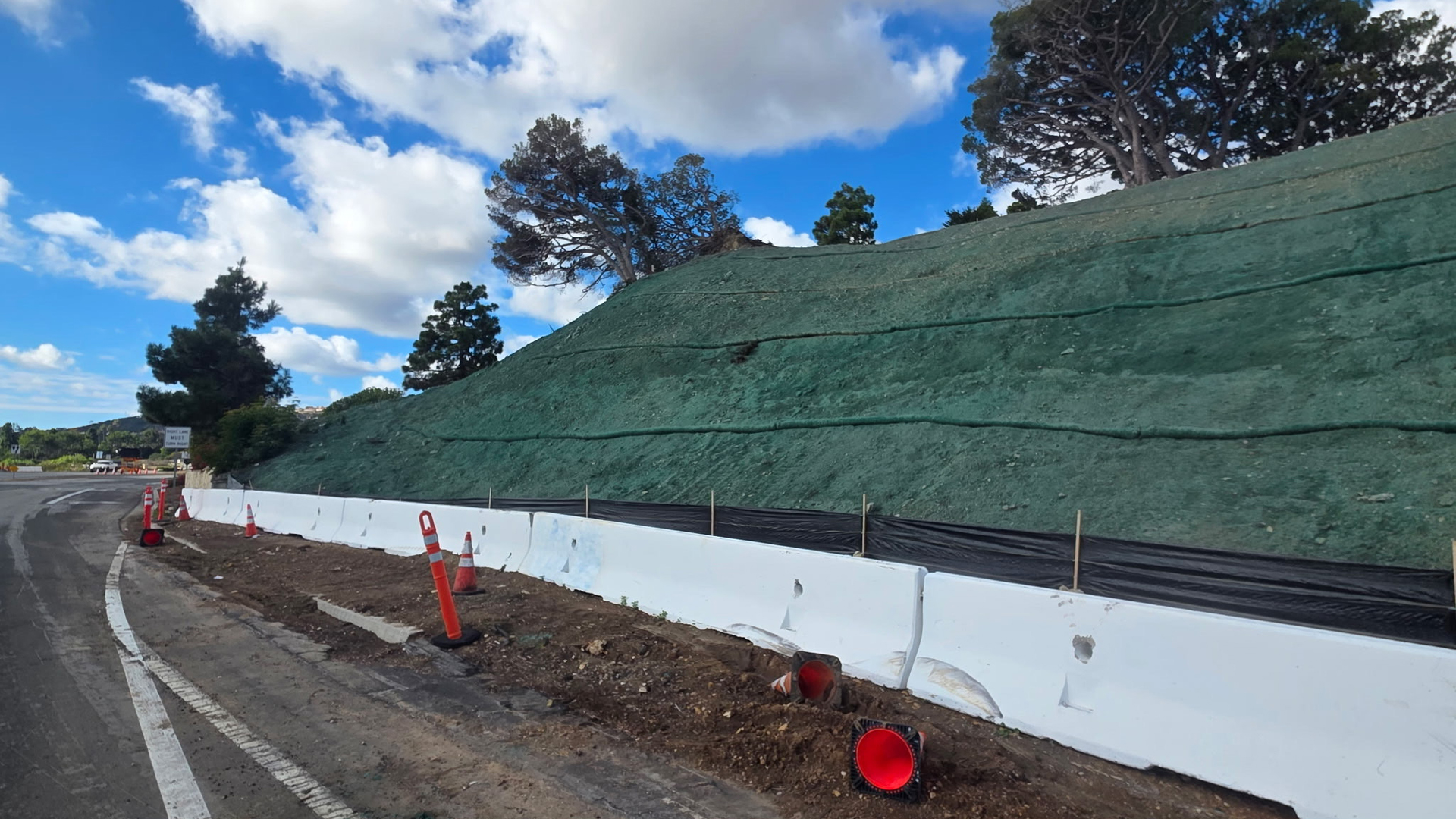
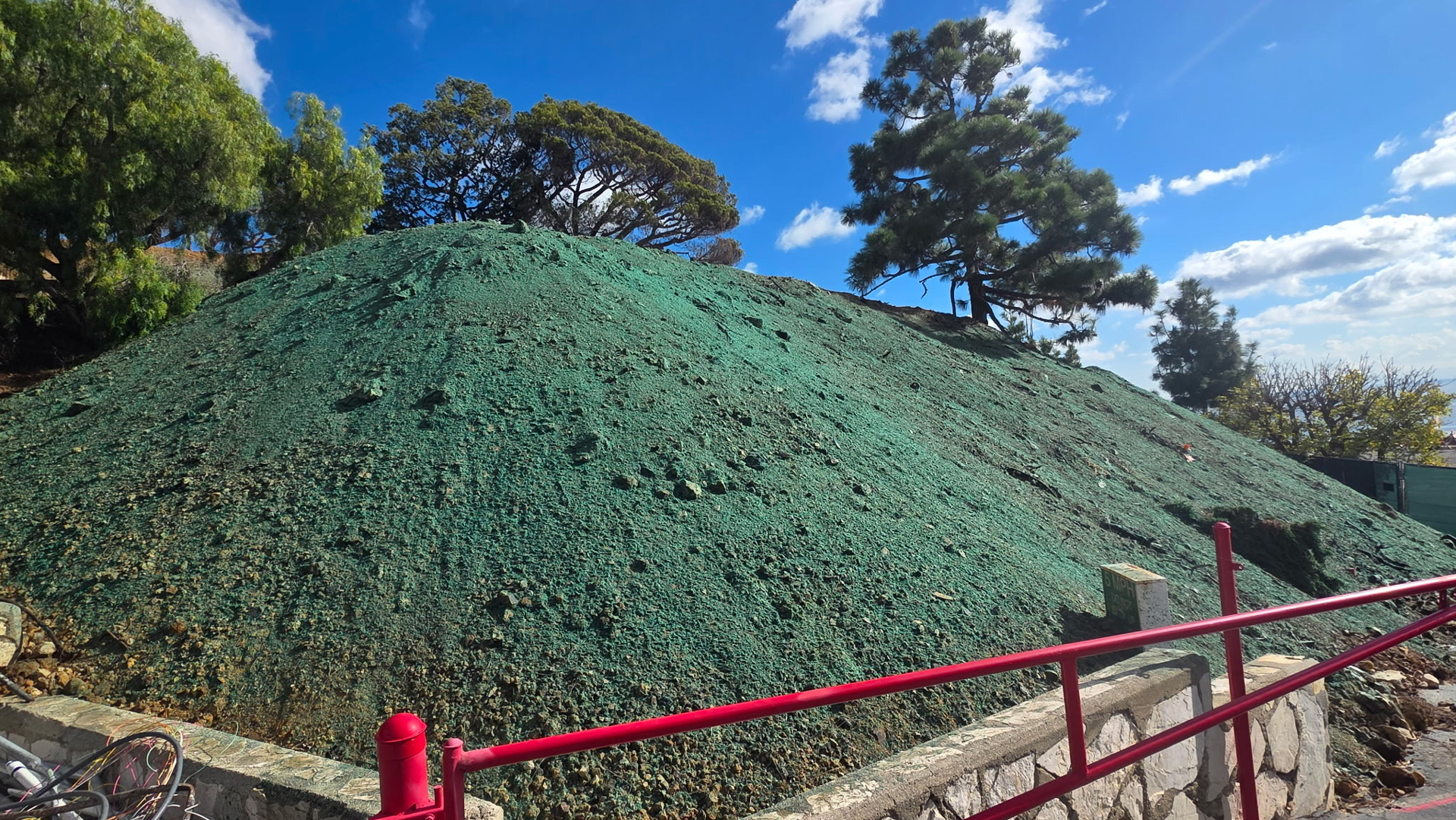
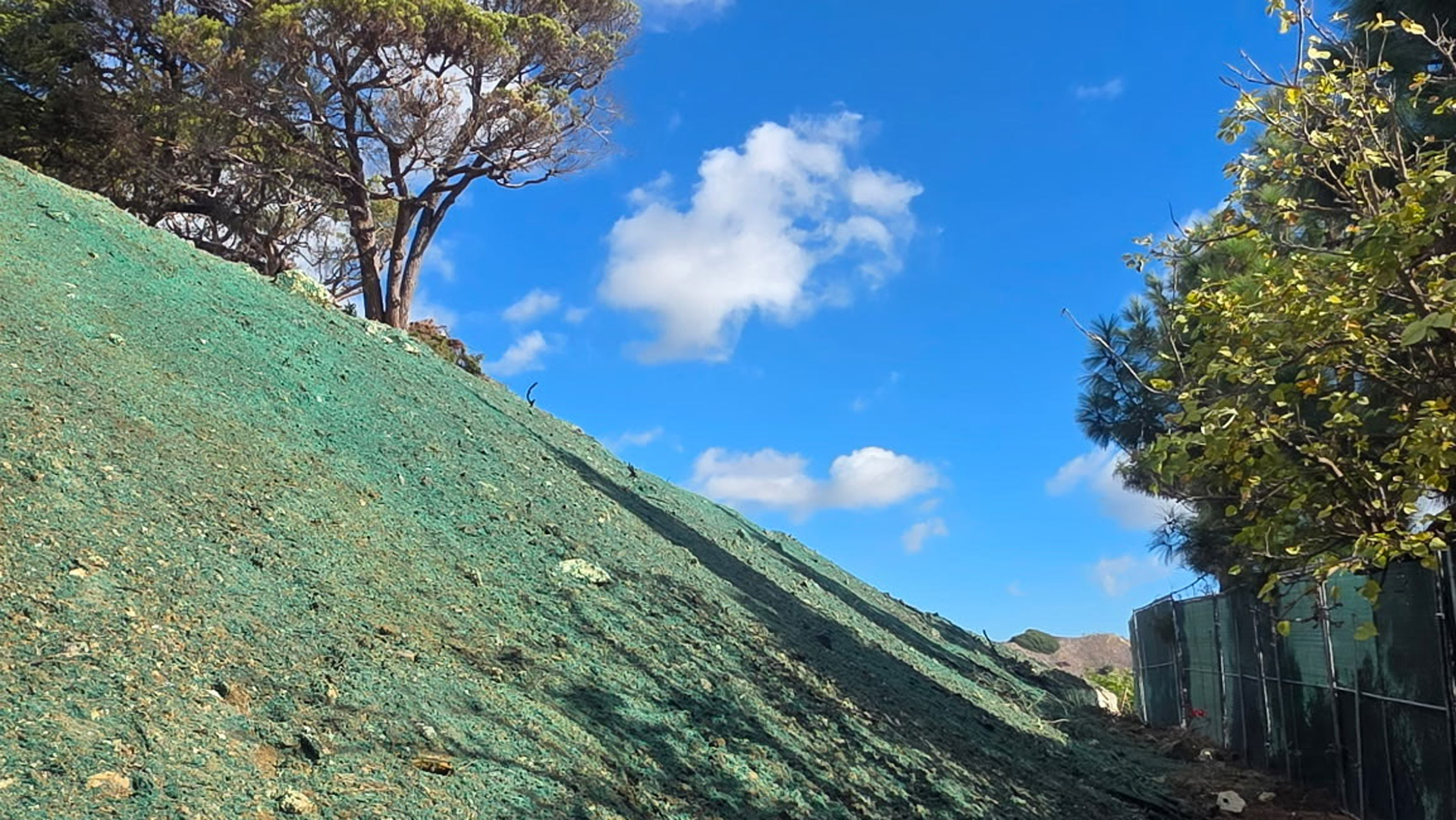
Even as the landslide continues to reshape the coastline, our responsibility to the heritage site remains unwavering. We have undertaken a comprehensive stewardship effort designed to stabilize, protect and restore the ecological integrity of the land that held the Chapel for generations-now referred to as our Heritage Site, including hydroseeding with native species.
We applied a specialized blend of native grasses selected specifically to be native to the Peninsula as well as their ability to offer erosion control, habitat value and low water dependence. These species help: Knit the soil together; Slow surface water runoff; Aesthetically pleasing to the eye from the drive. To make this undertaking possible, we partnered with engineers and environmental consultants to move the mountains of soil away from the road and where possible we kept the mature trees, their root systems and long-established native shrubs.
View the Disassembly from June 2024


Photos: Architectural Resources Group